
Pool Resurfacing & Replastering in San Diego County
Request Your Free Consultation




Every Finish, From White Plaster to Pebble
White & Colored Plaster
Quartz Aggregate
Pebble Finishes
Polished & Glass Bead
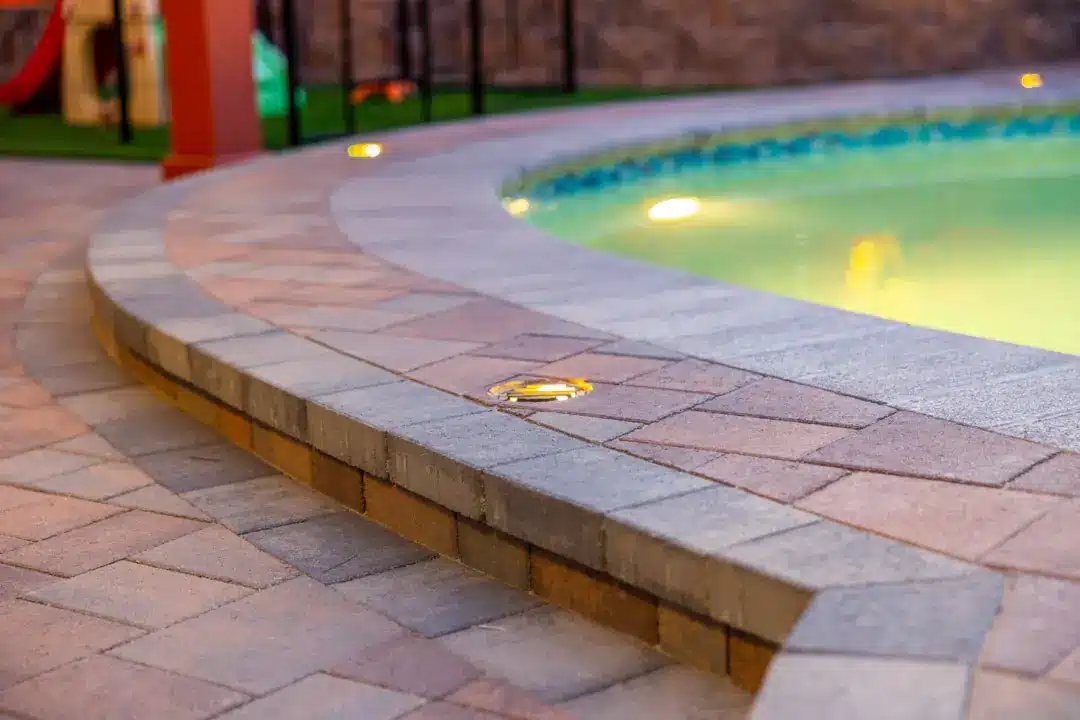
Waterline Tile & Coping
Spas, Infinity & Gunite
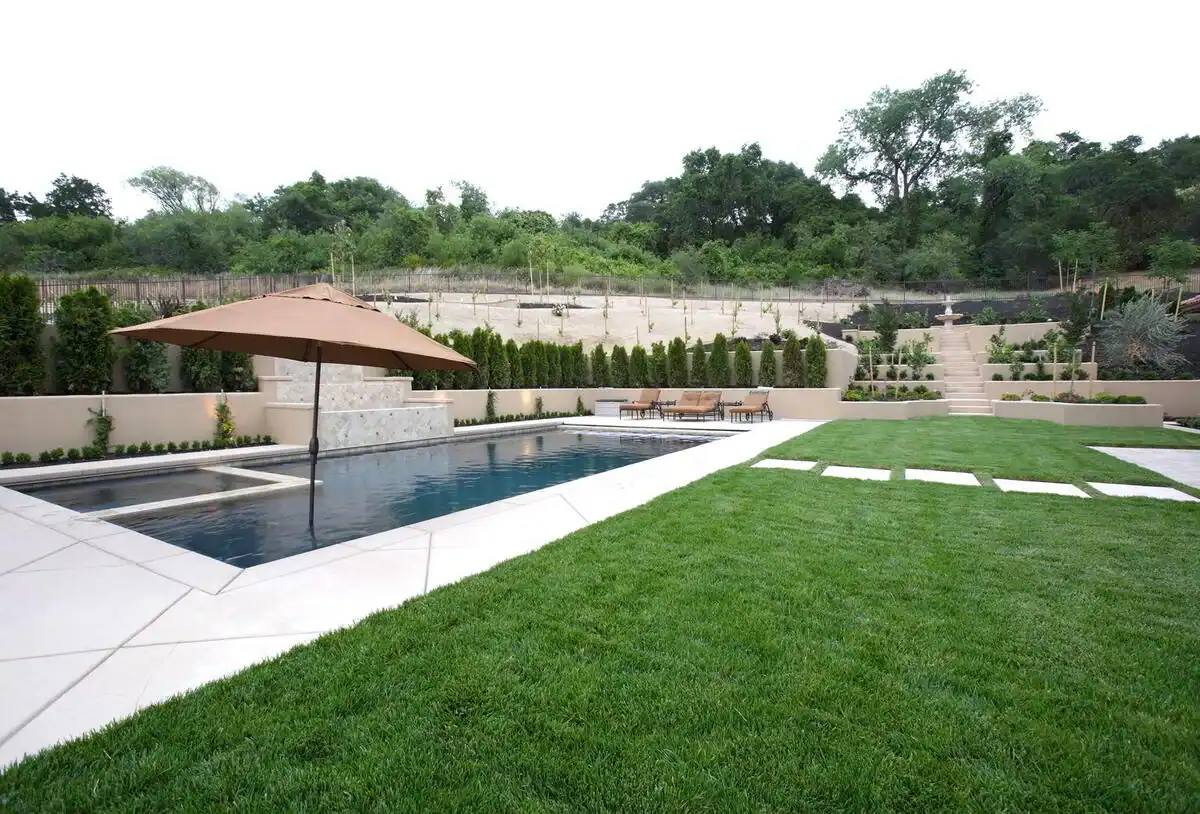
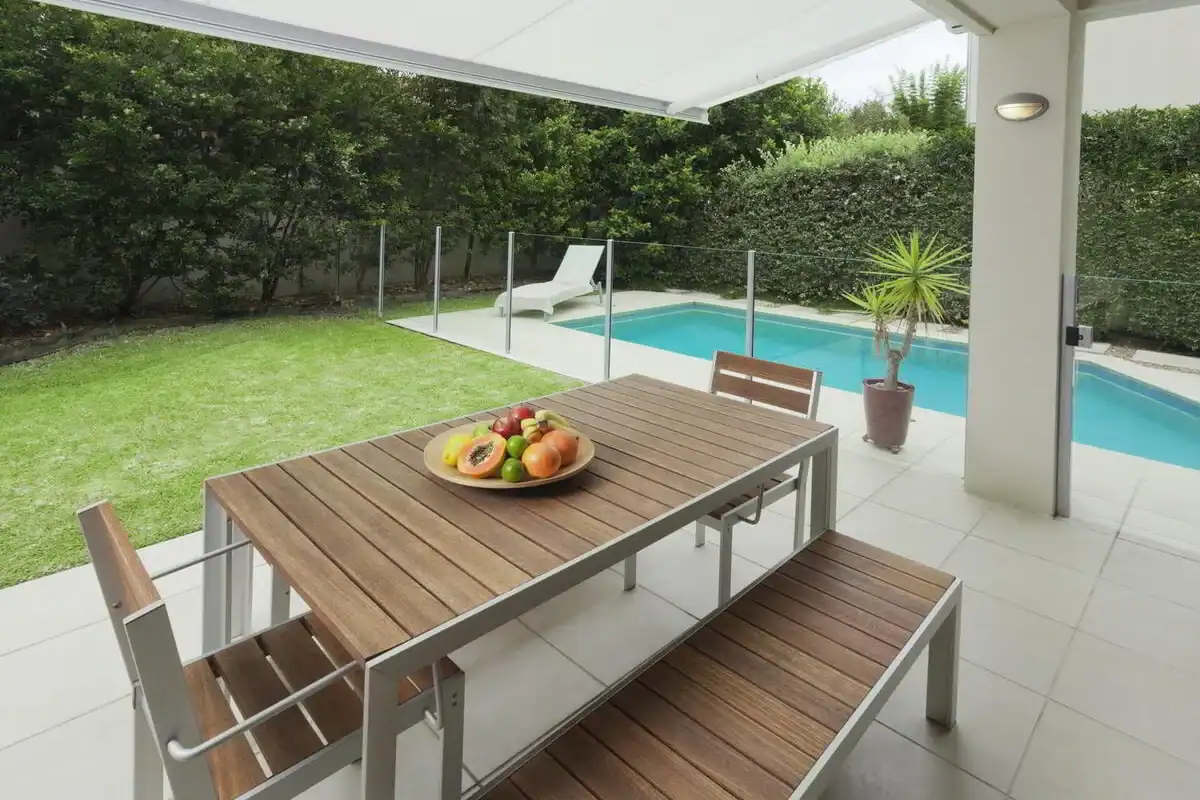
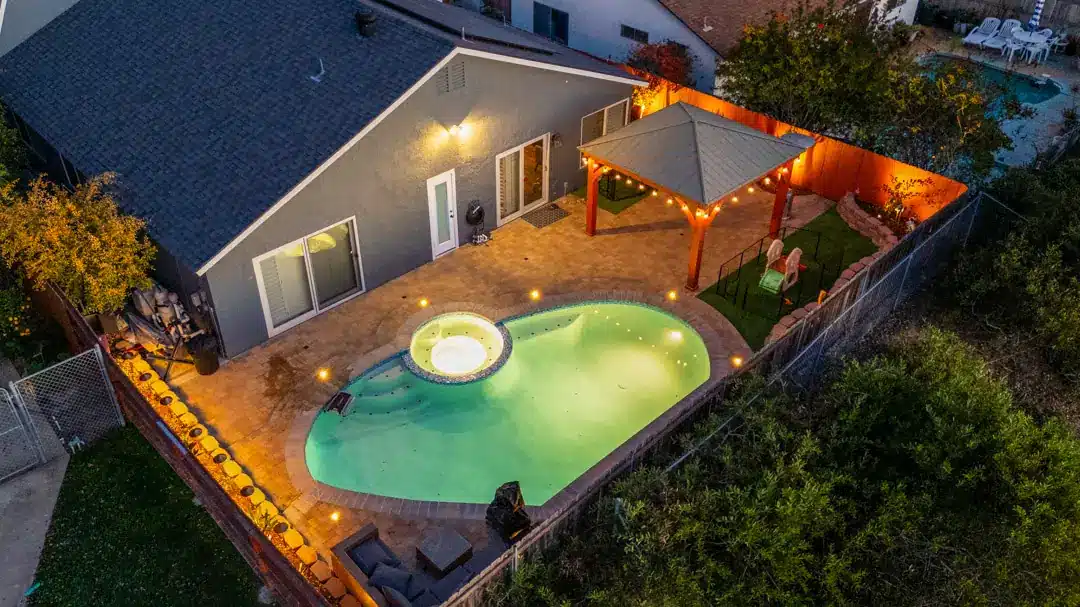
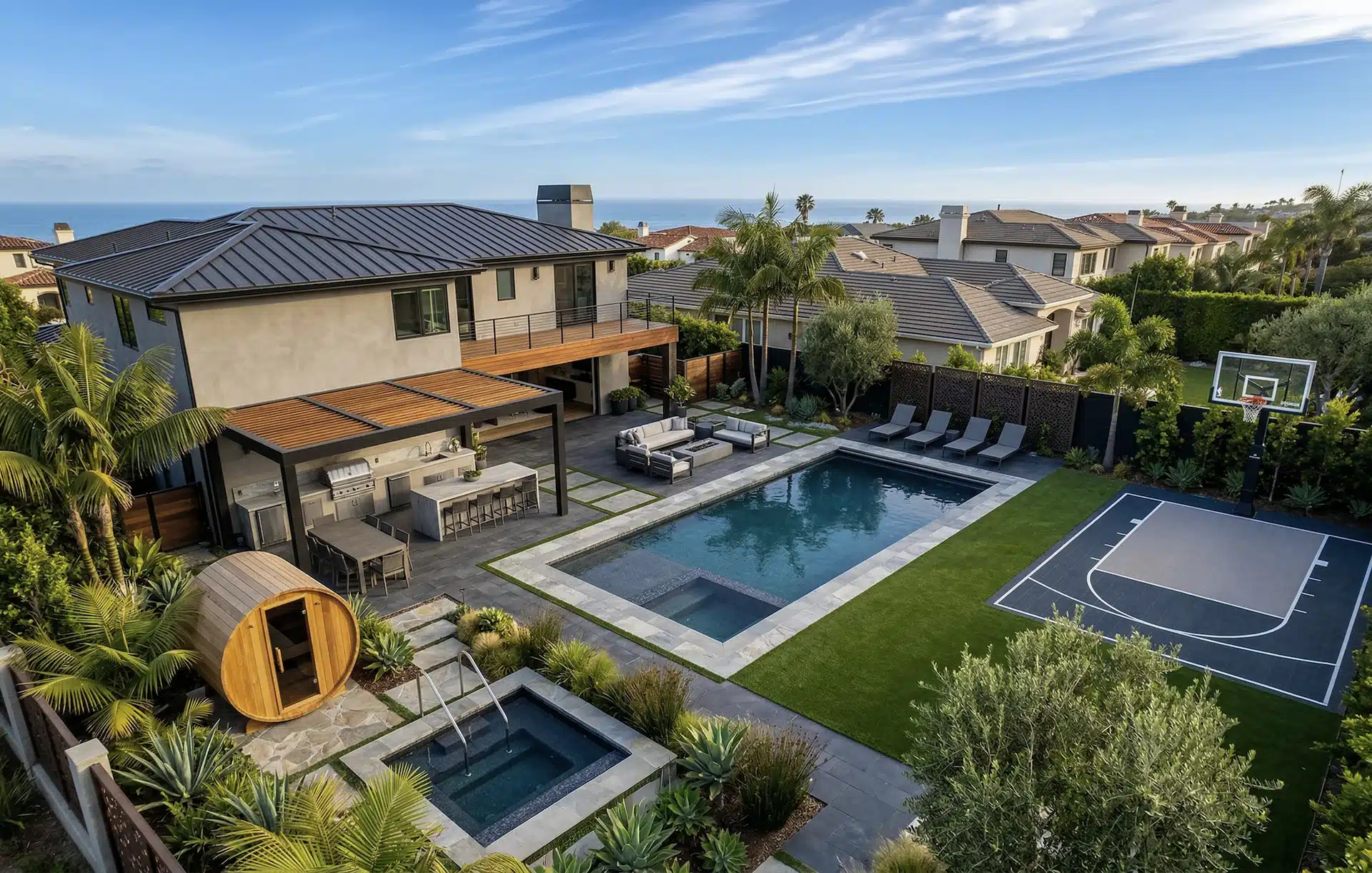
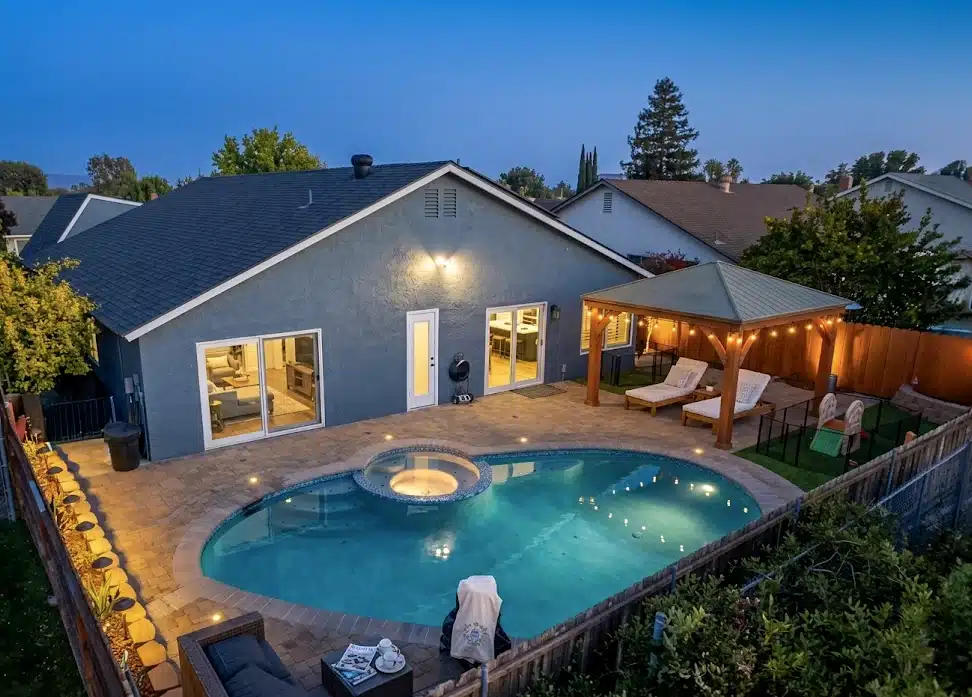
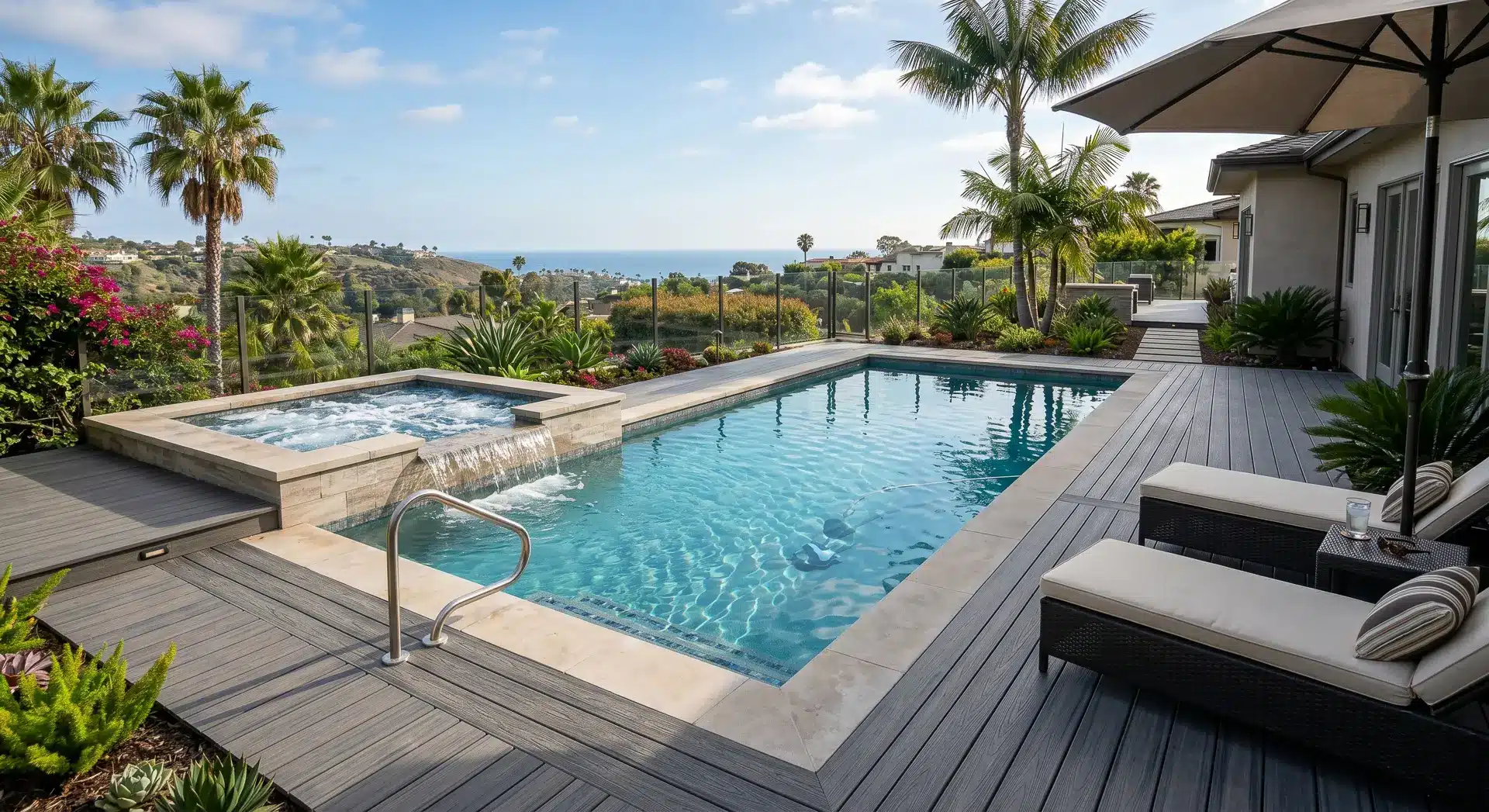
Recent Pool Projects



What a Proper Pool Resurface Includes
Drain & Inspect
Repair First
Prepare & Bond
Fill & Start Up
Our No-Surprises Approach
On-Site Consultation
Transparent Pricing
Owner-Led Build


Common Questions
How do I know my pool needs resurfacing?
Rough or sandpaper-like plaster, stains that no longer respond to chemicals, etching, hollow spots, and dark patches of exposed gunite all point to a finish at the end of its life. A dull pool with light staining may only need an acid wash, and we will tell you which it is during the consultation.
How long does pool resurfacing take?
Most projects run one to two weeks from draining to refill. Tile, coping, repairs found after draining, and weather can extend that. Startup care continues for a few weeks after the pool is full.
Which finish lasts the longest?
Aggregate finishes such as quartz and pebble generally outlast standard white plaster because the exposed aggregate takes the wear instead of the cement. In every case, surface preparation, installation quality, and balanced water matter as much as the material.
Should I replace the tile and coping at the same time?
Usually, yes. The coping sits above the tile and the tile sits above the finish, so replacing one disturbs the others. Doing all three while the pool is empty avoids paying for the same transition work twice.
Can you resurface a spa or an infinity edge pool?
Yes. We resurface attached spas, raised spas with spillways, vanishing edge pools, and freeform gunite shells. The edge and catch basin details are planned with the finish so water behavior stays consistent.
Do you offer financing for pool resurfacing?
Yes. We work with lenders that offer flexible options including $0 down for those who qualify, so you can move forward now and pay over time.