
Pool Coping Replacement & Installation in San Diego
Request Your Free Consultation




The Right Edge for How You Use the Pool
Travertine & Natural Stone
Precast Concrete
Poured Cantilever
Brick & Paver Coping
Expansion Joint Rebuild
Tile & Resurfacing
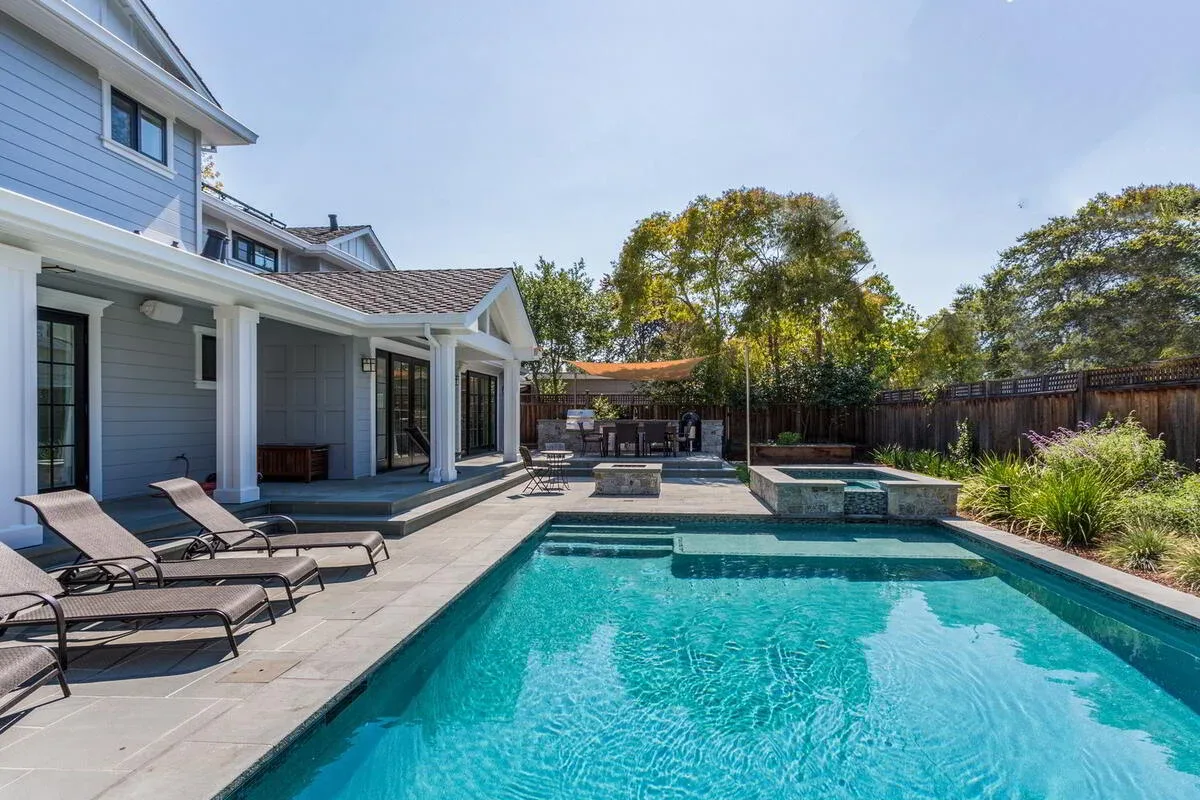
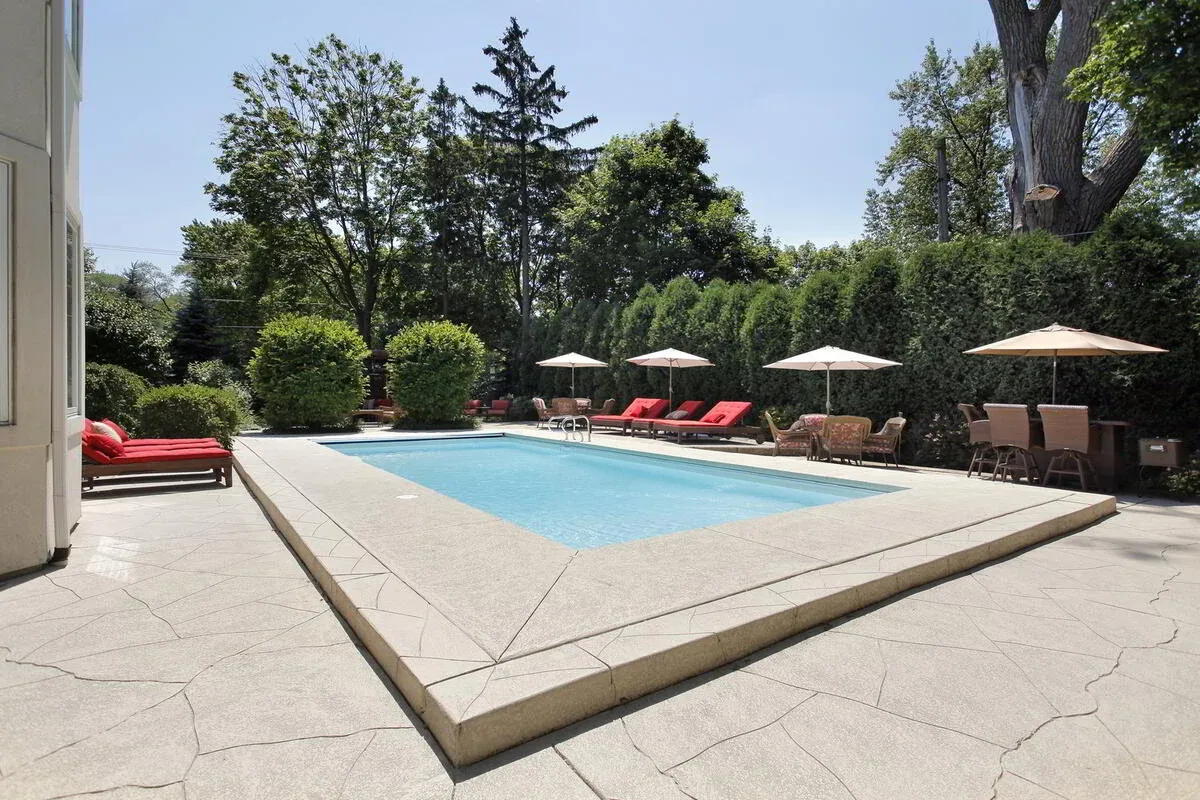
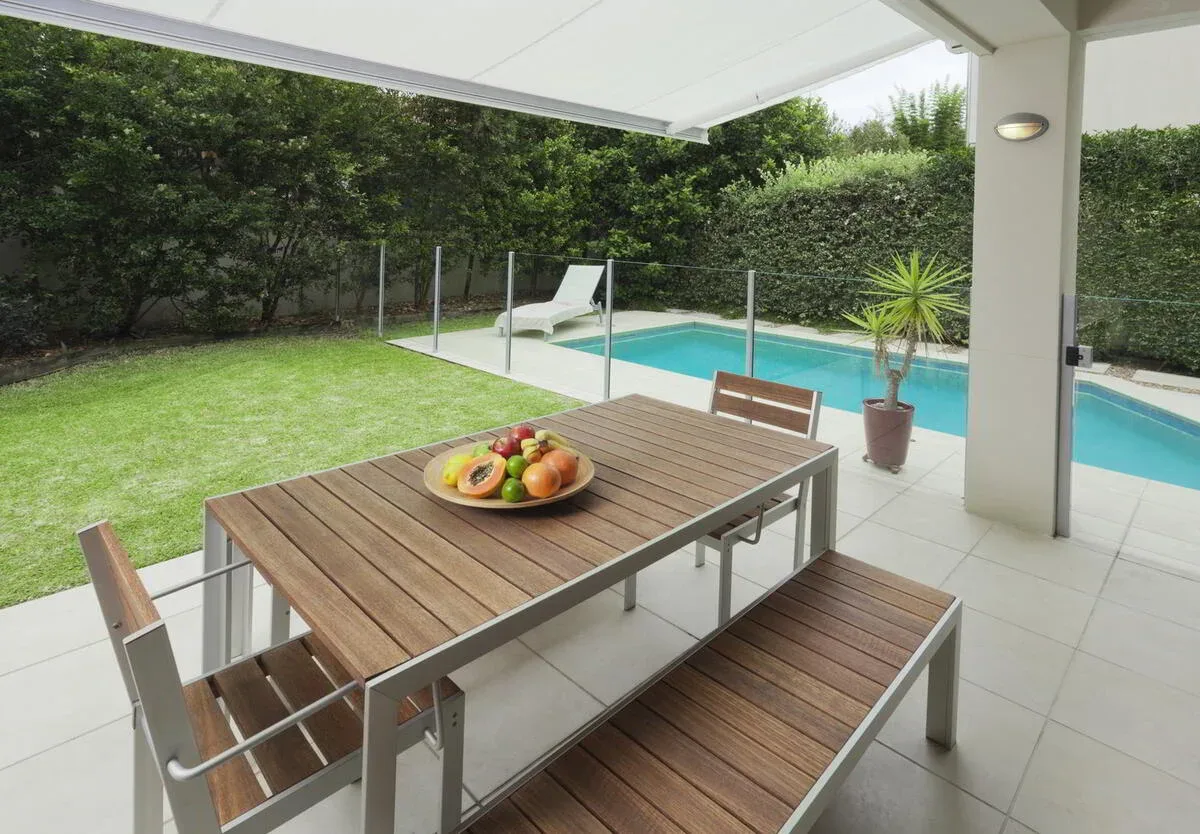
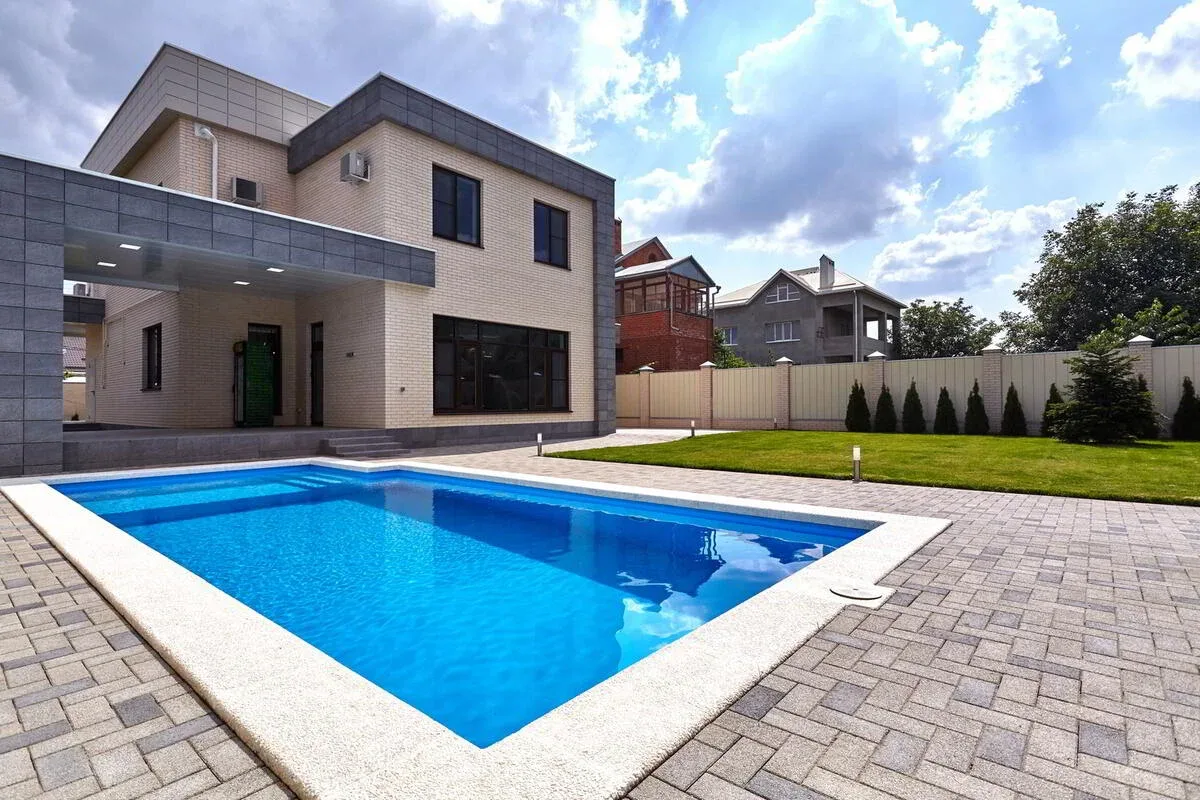
Recent Pool Edge Projects

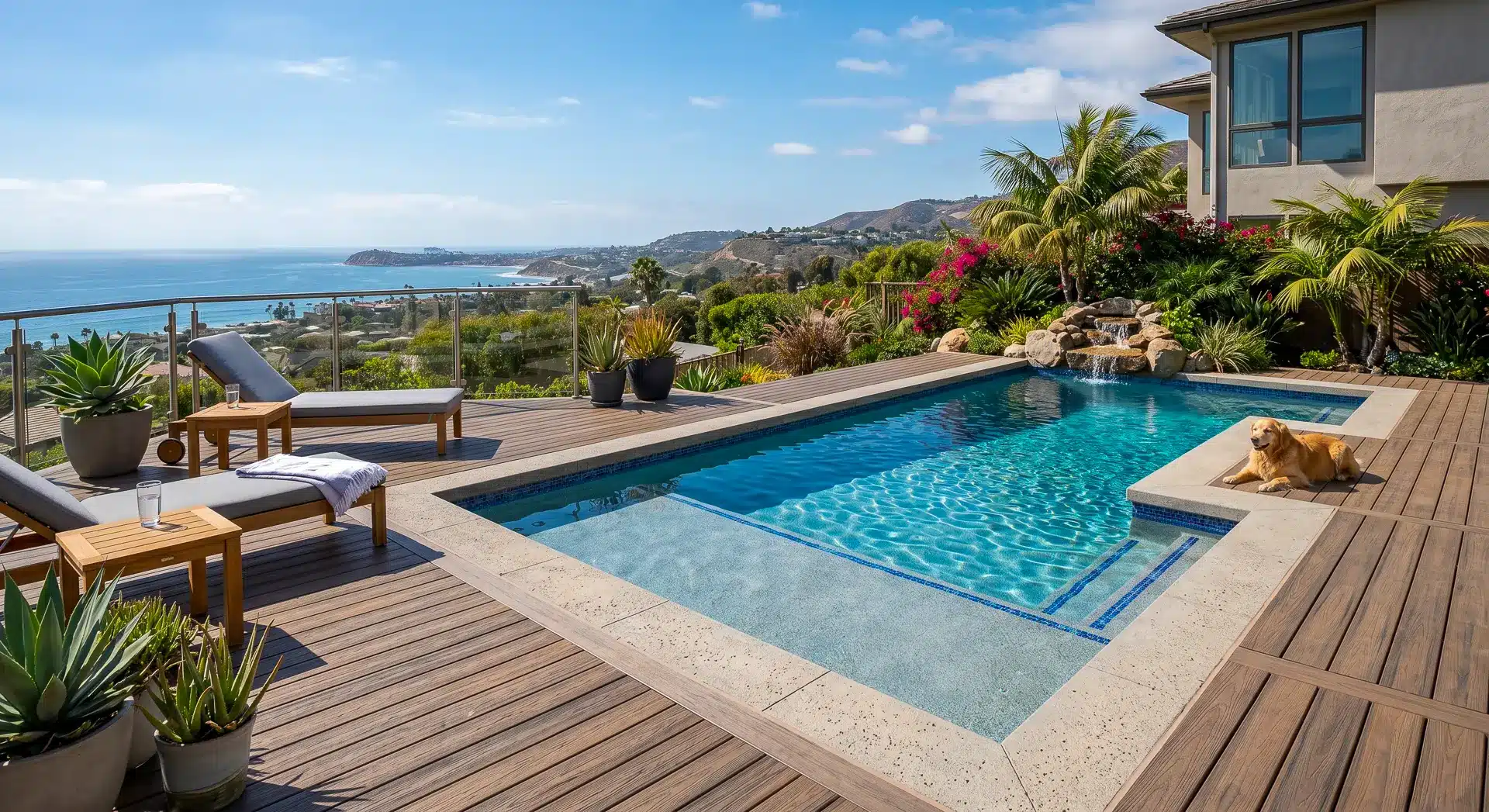
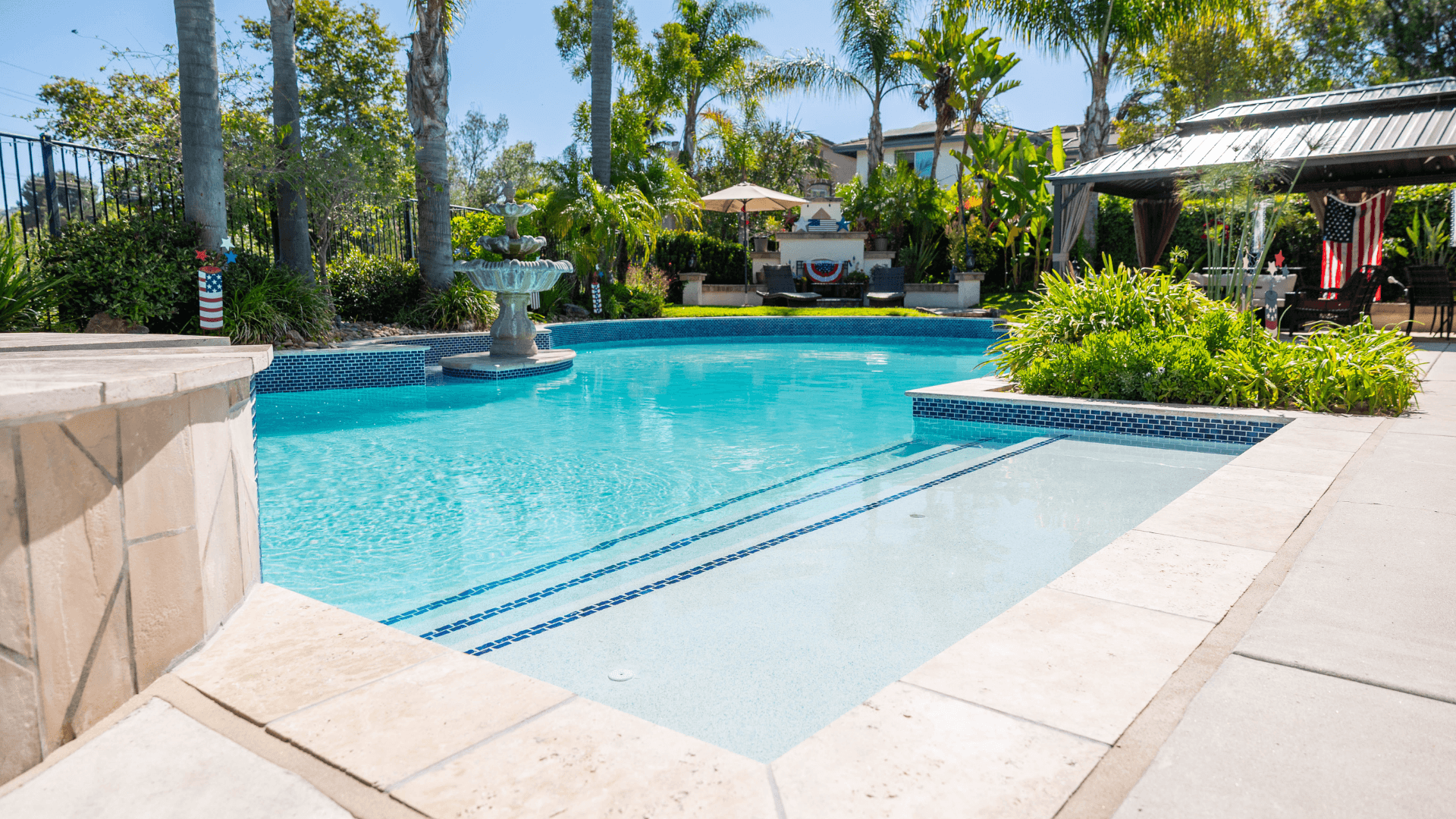
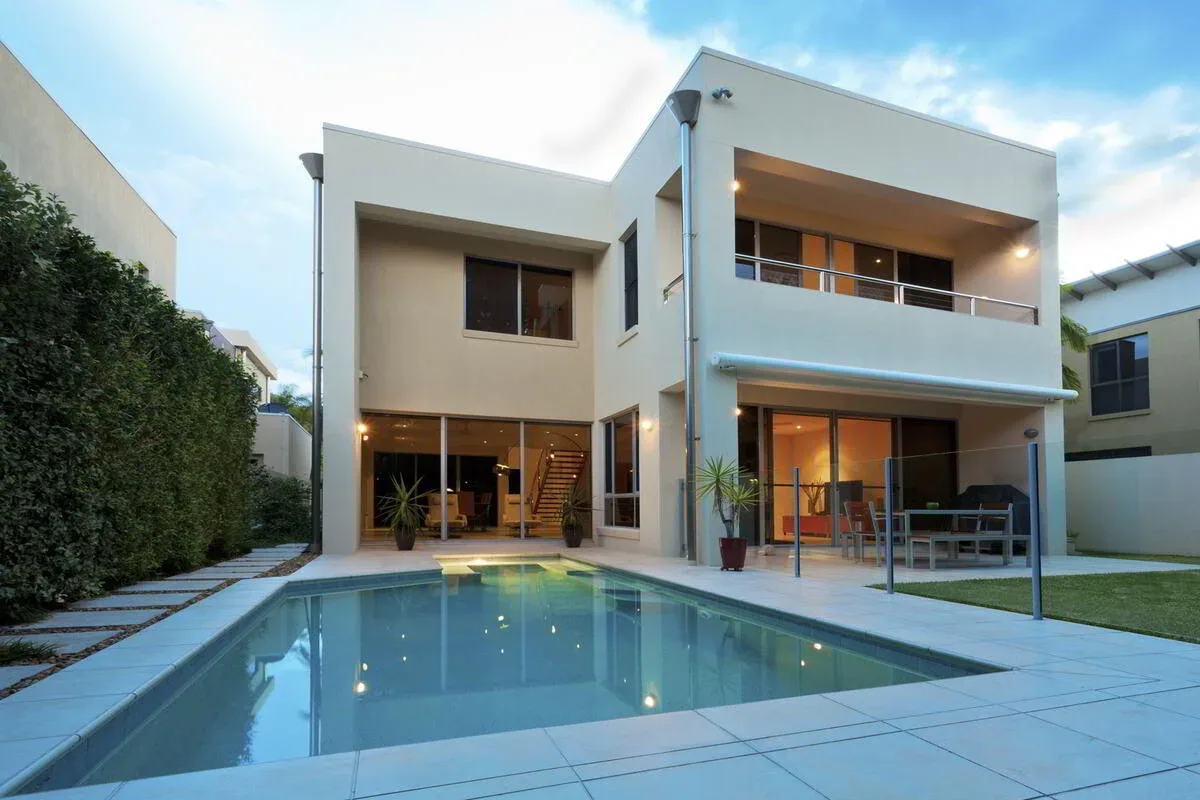
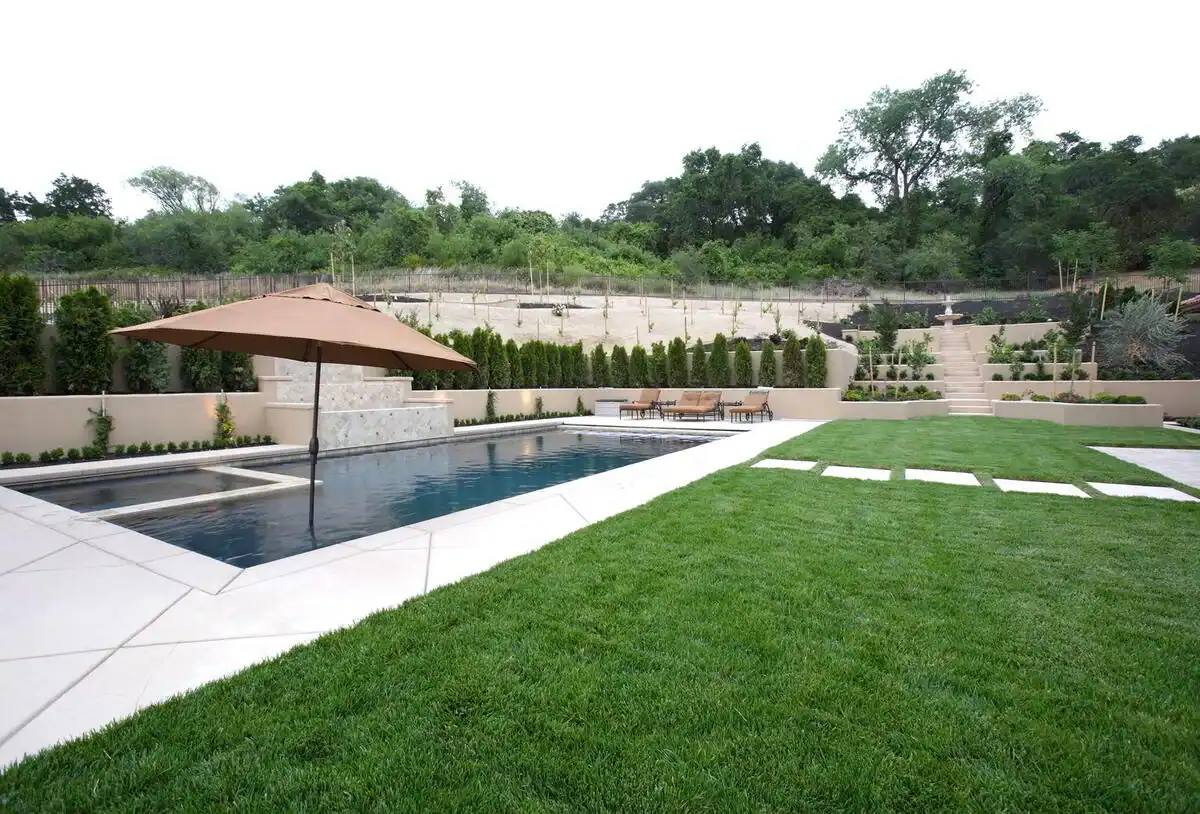
When Pool Coping Needs Replacing
Loose or Rocking Pieces
Cracks Through the Material
Washed-Out Joints
Failed Expansion Joint
Our No-Surprises Approach
On-Site Consultation
Transparent Pricing
Owner-Led Build


Common Questions
Can coping be replaced without resurfacing the pool?
Yes, but the two jobs overlap at the tile line. Replacing coping usually disturbs the waterline tile and the top of the interior finish. If resurfacing is coming within a few years, doing both together avoids paying for that transition twice.
Does the pool have to be drained to replace coping?
Often the water only needs to be lowered below the tile line rather than fully drained. If the tile and finish are being replaced as well, the pool is drained for the whole project.
Which coping material lasts the longest?
Dense natural stone and quality precast concrete both hold up well when properly installed. Most failures come from failed mortar joints, water behind the coping, and a missing expansion joint, not from the material itself.
What is the gap between the coping and the deck for?
That is the expansion joint. The pool shell and the deck move independently as soil moisture and temperature change. The flexible joint absorbs that movement so the deck cannot push against the shell. It should be resealed every several years.
Does coping get hot in the sun?
Darker materials and dense stone absorb more heat. Lighter travertine and lighter concrete pavers stay noticeably cooler, which matters for a surface people sit on and step over all summer.
How long does coping replacement take?
Coping alone usually keeps the pool out of action for a few days to a week. Combined with tile and resurfacing, plan on closer to two weeks.