
Custom Retaining Walls & Slope Stabilization for San Diego Homes
Request Your Free Consultation




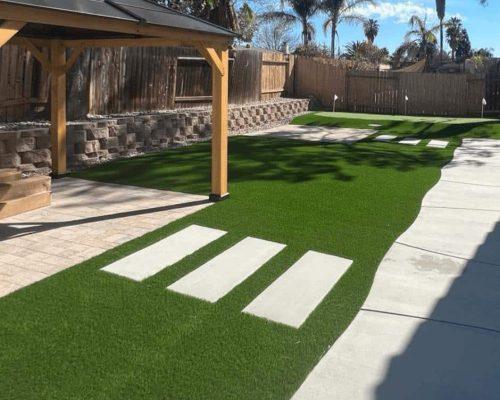
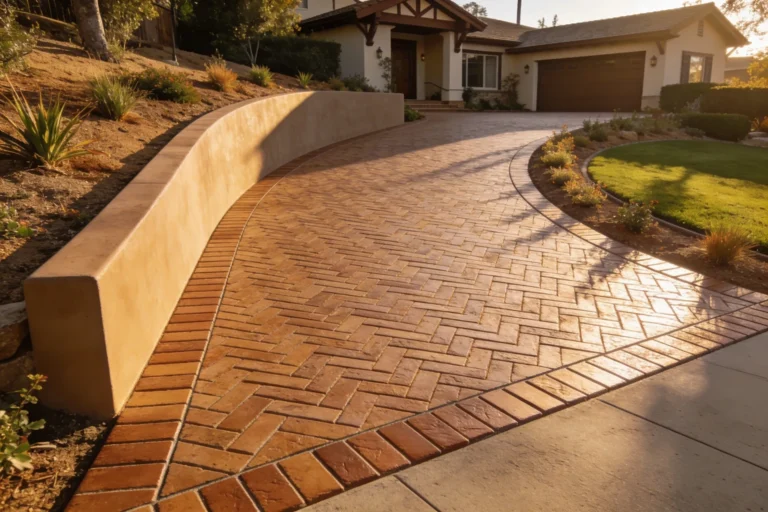
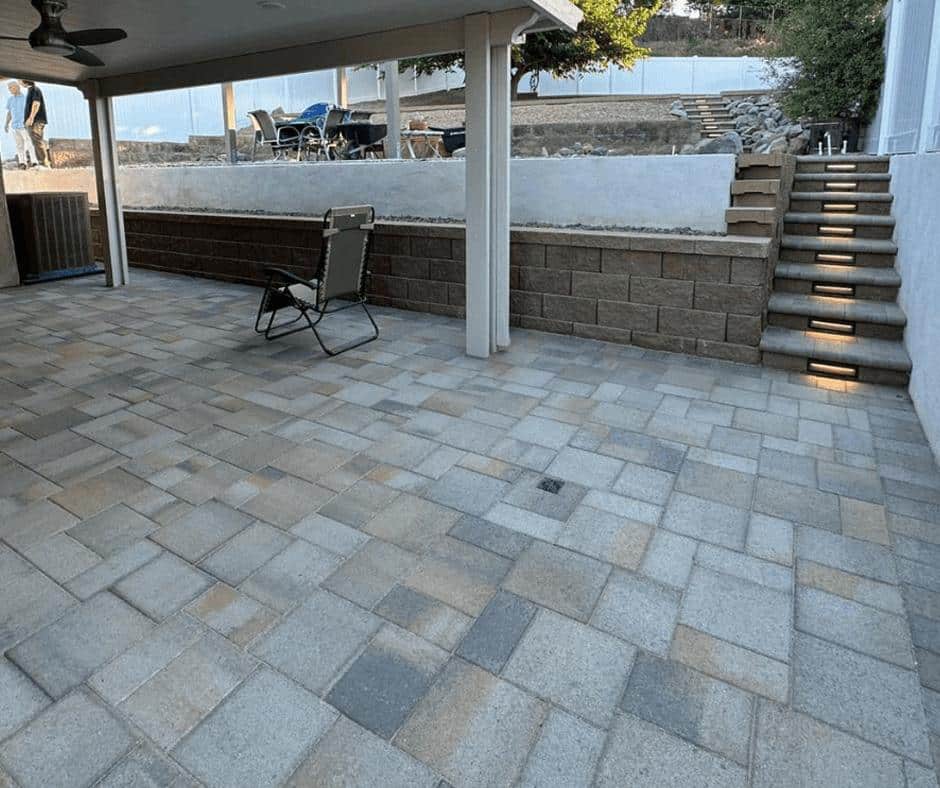
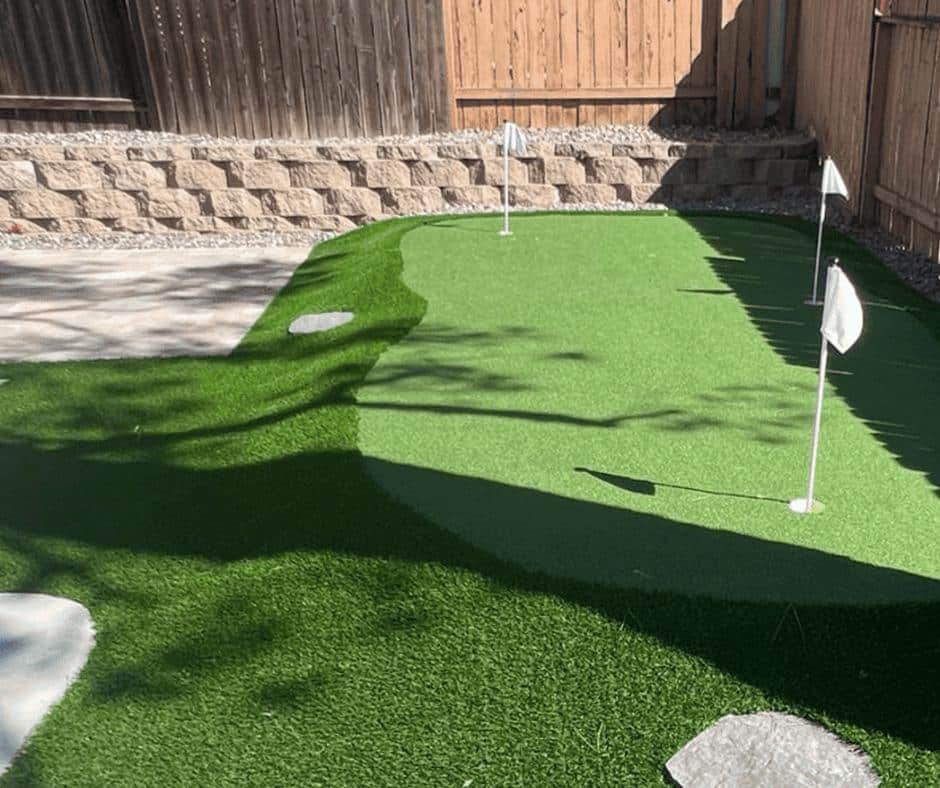
Retaining Wall Projects
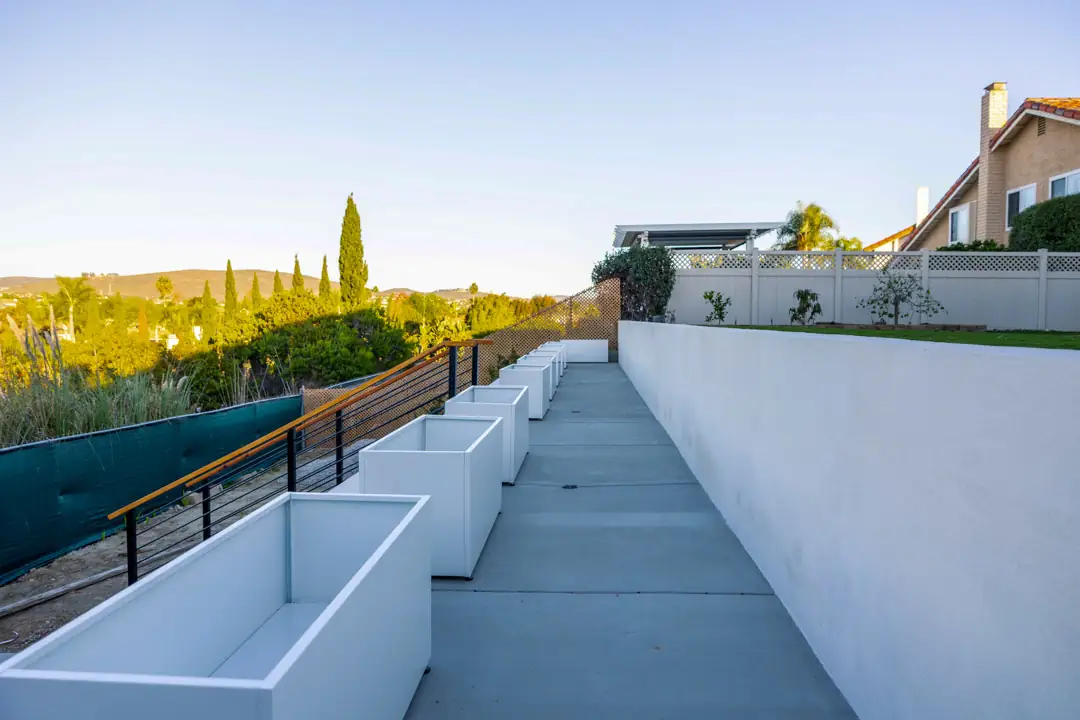
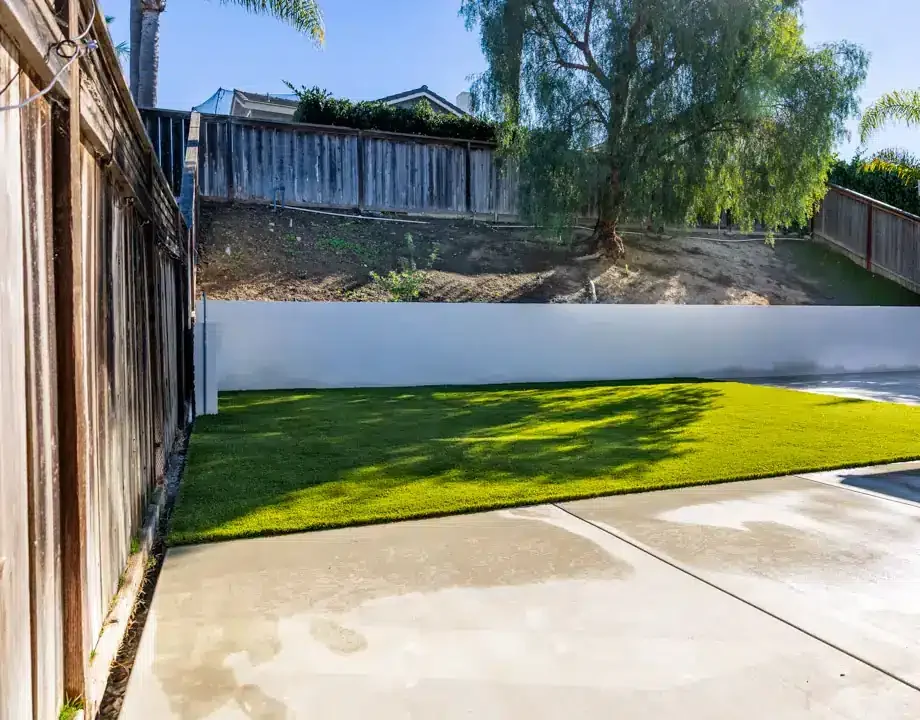
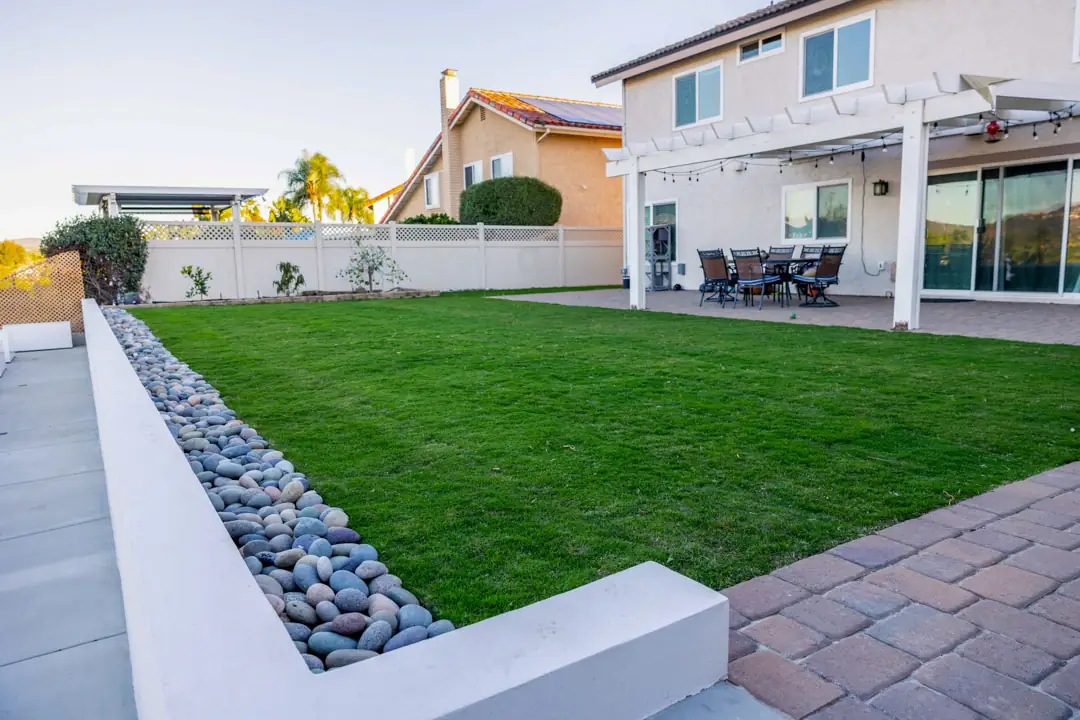



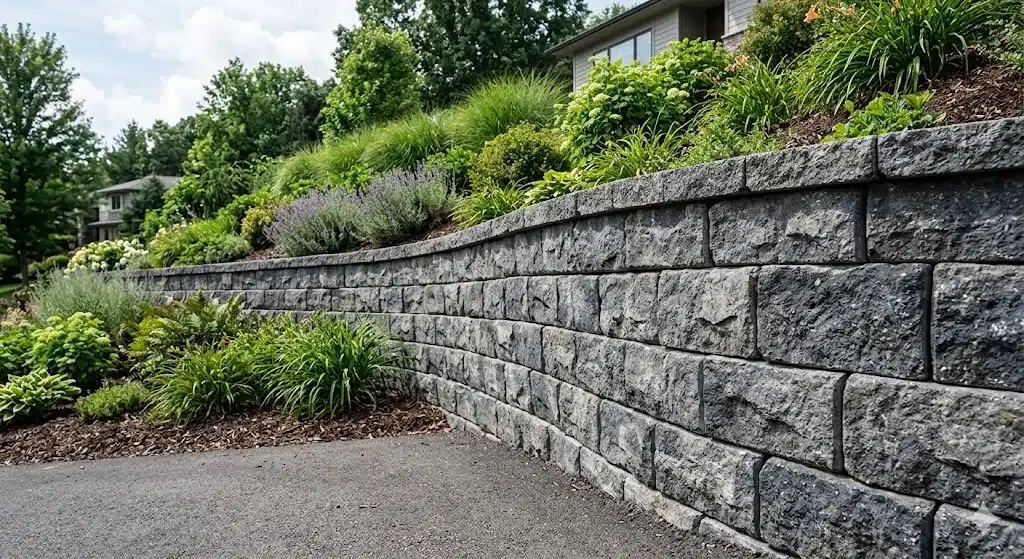
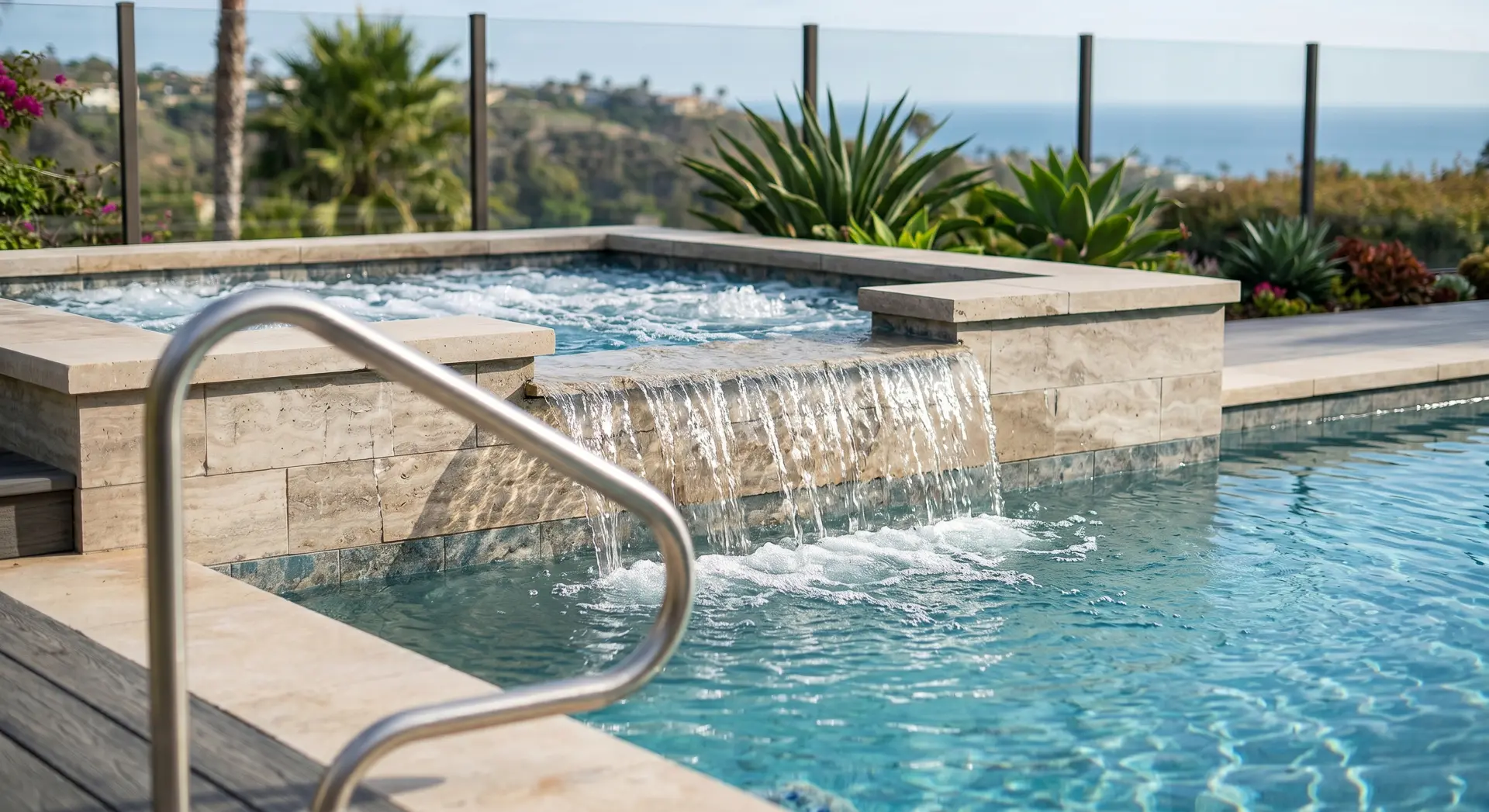
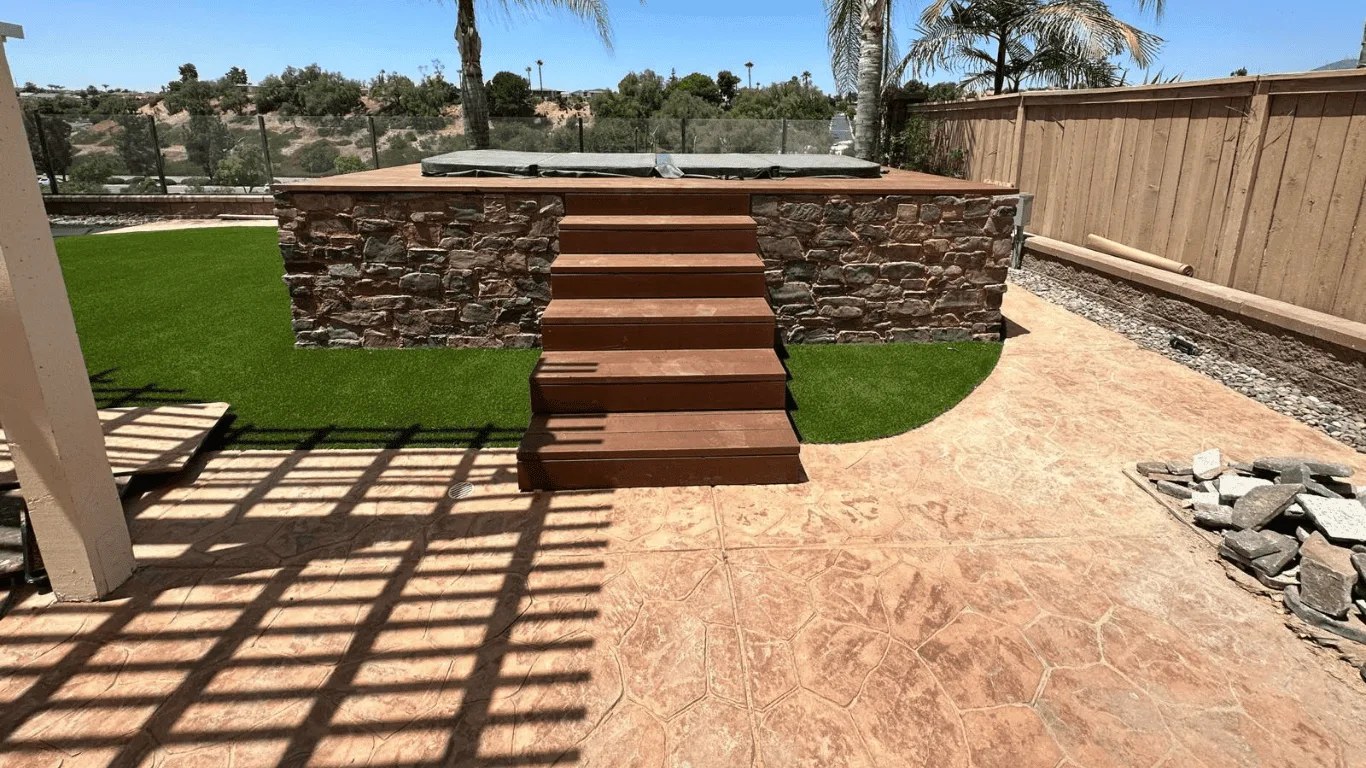
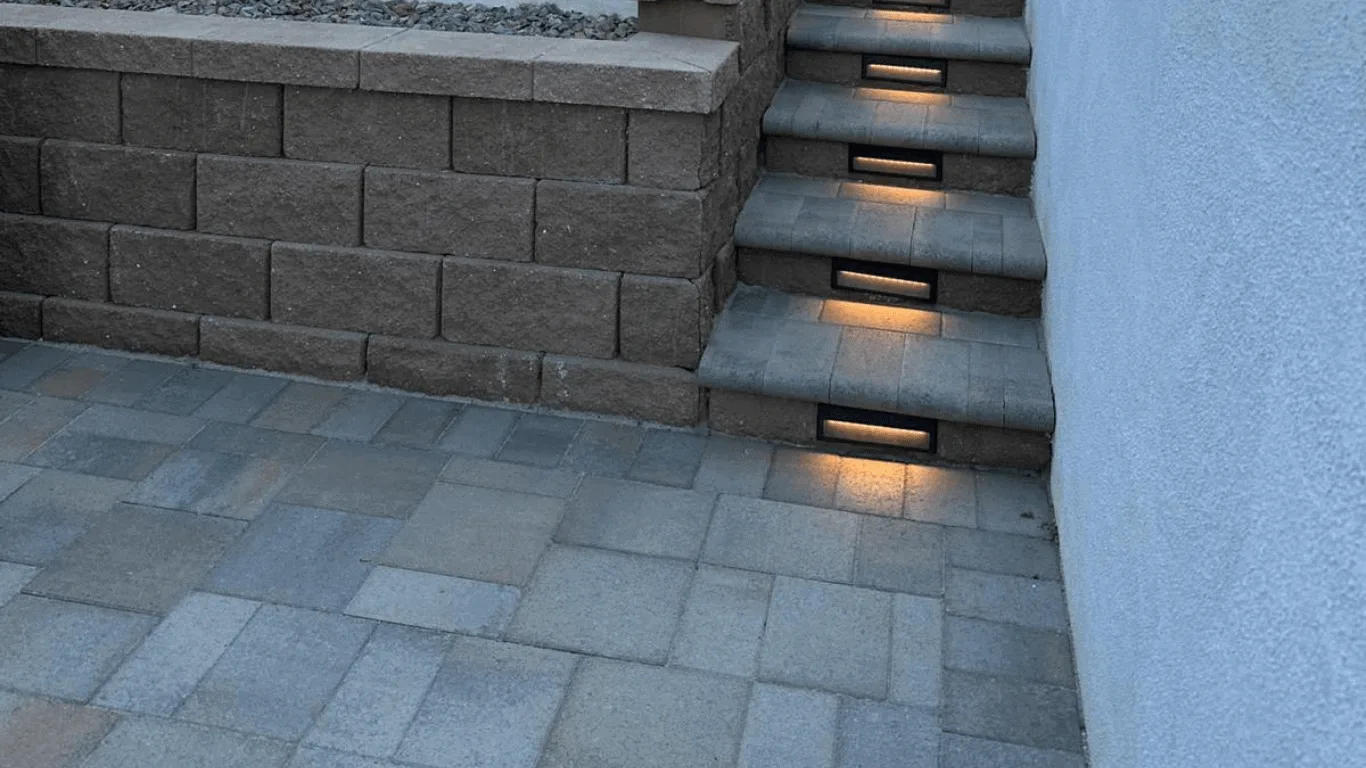


No-Surprises Approach
On-Site Consultation
Transparent Pricing
Owner-Led Build




Flexible Financing Available

TIME FOR AN UPGRADE
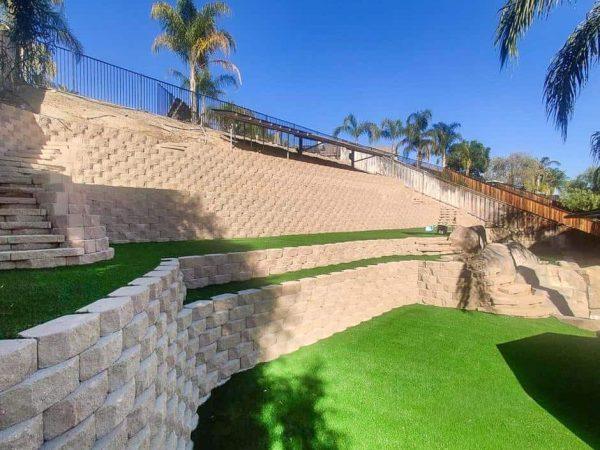
Failing Slopes Hurt Your Property Value
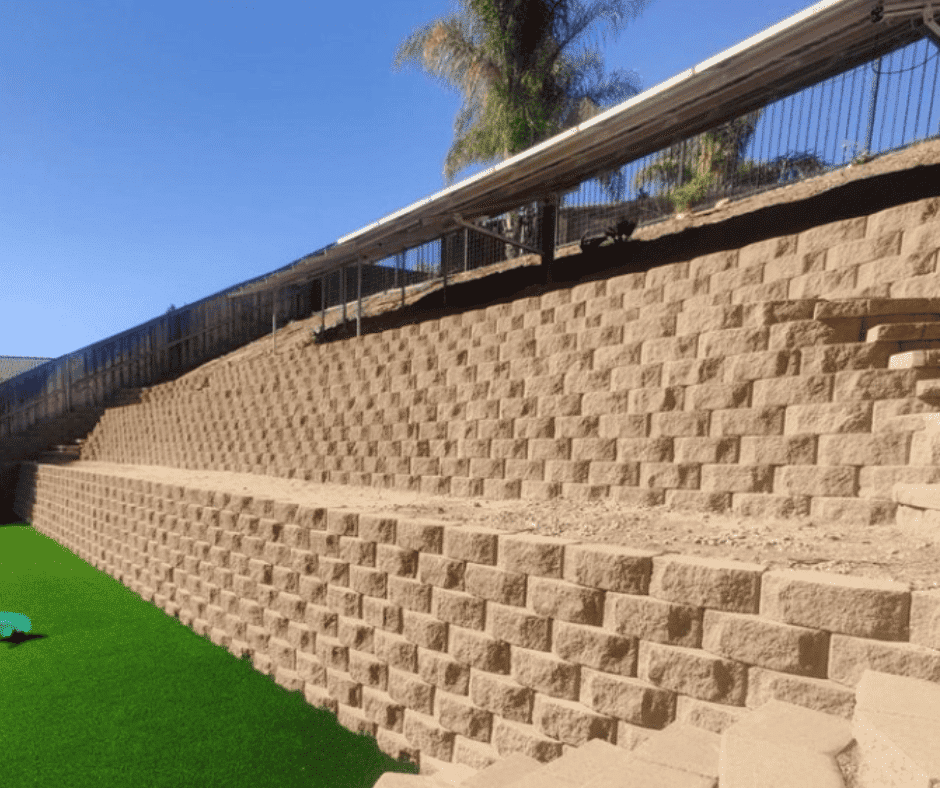
Soil Erosion & Sliding
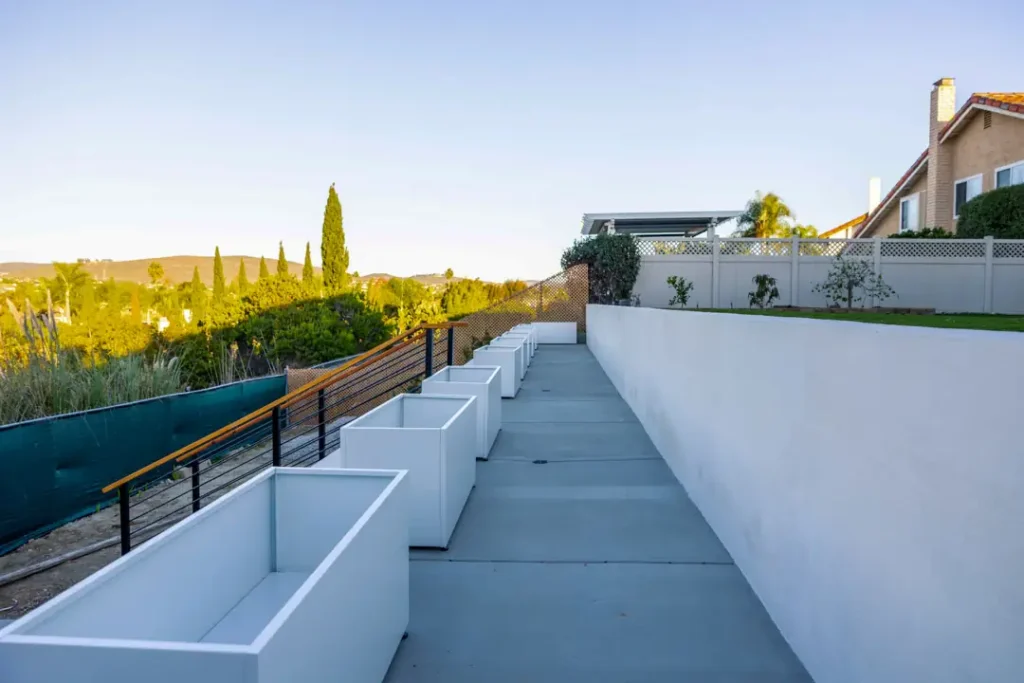
City Permit Headaches
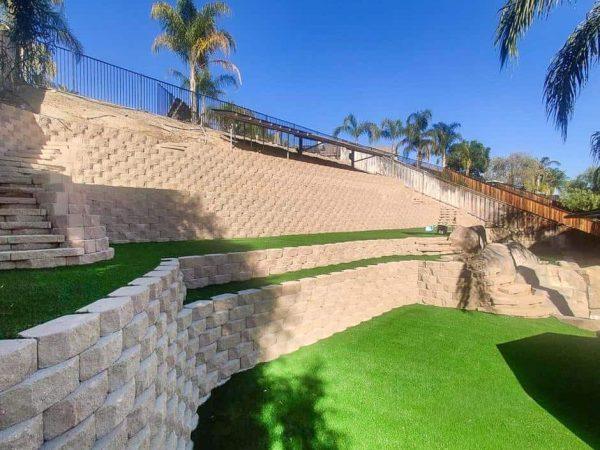
Failing Old Walls
Common Retaining Wall Questions
How much does a retaining wall cost in San Diego?
Retaining wall projects vary widely in scope. Simple garden walls and large engineered hillside stabilization projects are very different in complexity, materials, and labor. The best way to get an accurate number for your specific site is to schedule a free on-site consultation so we can assess the slope, soil conditions, required height, and any permit requirements. We provide a fixed-price contract after the consultation.
Should I hire a landscaper or a Design and Build firm for a retaining wall?
If you need a small garden planter under 3 feet, a landscaper works. But in San Diego, any wall over 3 feet tall requires a city permit, and most structural walls require engineering drawings. You need a licensed Design and Build firm to handle strict city codes, proper drainage, and heavy construction to ensure the wall is built strong.
Do you handle the city permits and structural engineering?
Yes. We manage the entire permitting process in-house, working directly with structural engineers and the City of San Diego. We deal with the paperwork, soil reports, and city inspectors so you don’t have to.
Can a retaining wall fix drainage issues on my property line?
Yes, this is critically important. In San Diego when it rains heavily, how water moves on your property is key to protecting your investment. We engineer proper drainage systems directly into every retaining wall we build, installing drains, ensuring they’re to code, and using techniques like gravel backfill to safely redirect water.
Do you remove old, failing retaining walls?
Yes. We handle the full scope from removing the failed structure to addressing soil erosion and building the new engineered wall. You do not need to hire a separate demo crew before we start.
What are the best materials for a strong retaining wall?
Strong retaining walls can be built from a number of materials. For maximum strength, most residential projects use concrete masonry block (CMU) with rebar and grout fill, often finished with stucco. CMU is engineered to hold massive weight, making it ideal for steep slopes. We also work with poured architectural concrete and stacked flagstone depending on the site.
Do you help with HOA approvals for retaining walls?
Yes. If you live in an HOA, you generally need architectural approval before submitting city permits. We provide the 3D drawings and material specs your committee requires.
Do you offer financing for retaining walls?
Yes. We partner with third-party lenders so qualified buyers can access flexible financing options. For structural walls, financing lets you fix the problem immediately before risks multiply.
How do I know if my retaining wall is failing?
Warning signs include leaning walls, horizontal cracking, bulging sections, or standing water that won’t drain. In San Diego hillside neighborhoods, a failing wall is a serious structural threat to your foundation. Book a site evaluation before the next rainy season if you see these signs.
What happens if I ignore a failing retaining wall in San Diego?
Slope failure happens fast. A bowing wall can completely collapse during a single heavy rain, taking soil, landscaping, and even your home’s foundation with it. Addressing it now is far less costly than repairing catastrophic slope failure later.
Can you build a retaining wall on a hillside or sloped lot?
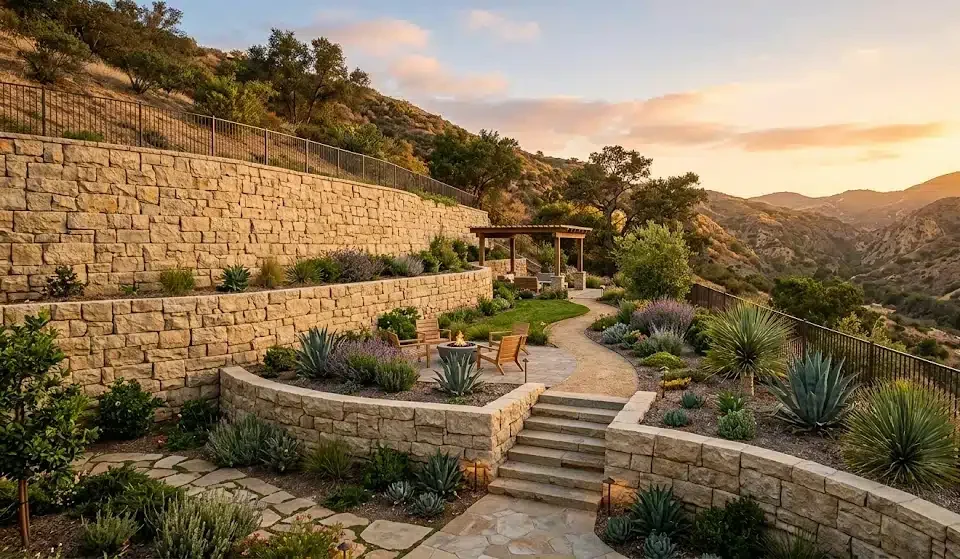
Yes. Hillside and canyon lots are a major part of our work. Steep slopes usually require a tiered or terraced wall system instead of one massive wall to safely distribute soil pressure. We regularly stabilize slopes in canyon-adjacent neighborhoods across San Diego County.
How long does a retaining wall project take in San Diego?
The timeline depends on wall complexity. Simple designs can qualify for Rapid Review and clear the city in days. Engineered or hillside walls typically take 4 to 10 weeks for city review. Actual construction usually takes 2 to 4 weeks once permits are approved. We provide a clear schedule and weekly updates.
Will a retaining wall increase my home value in San Diego?
Yes, often significantly. A structural wall that turns a steep, unusable lot into a flat outdoor living space adds major value. Appraisers look at usable square footage, and you’re adding a permanent structural improvement to a high-value asset.
Do I need a geotechnical or soils report for a retaining wall?
Not always, but often. The City of San Diego requires a building permit for any retaining wall over 3 feet. Whether a soils report is required depends on the site, soil conditions, wall height, and what the plan check engineer determines. We coordinate directly with our engineering partners to determine exactly what your site needs.
What should I look for when hiring a retaining wall contractor?
Start with the CSLB license. For structural engineered walls requiring permits, a Type B General Contractor license covers the full scope including structural and excavation elements. Verify the license is active before signing anything, and confirm they handle city permits and engineering in-house.
Can a retaining wall be decorative as well as structural?
Yes. A structural wall doesn’t have to look industrial. We can finish CMU blocks with smooth stucco or premium natural stone veneer to match your home. We provide 3D design renderings so you see exactly how the final space will look.
What cities and neighborhoods in San Diego do you serve?
We build retaining walls throughout San Diego County including La Jolla, Carmel Valley, Encinitas, Carlsbad, Poway, Scripps Ranch, Chula Vista, and more. Check our service areas for your specific neighborhood.